Mawangdui Han Tombs
Overview
The Mawangdui Han Tombs, located in Changsha, Hunan province, are one of the most significant archaeological discoveries of the 20th century. Unearthed in 1972, the site comprises three tombs from the Western Han Dynasty (206 BC-AD 24). The tombs belonged to Li Cang, the Marquis of Dai, his wife Xin Zhui and their son. These tombs have provided a wealth of information about the lifestyles, beliefs and burial customs of the Han Dynasty (206 BC-AD 220).
Archaeological Significance
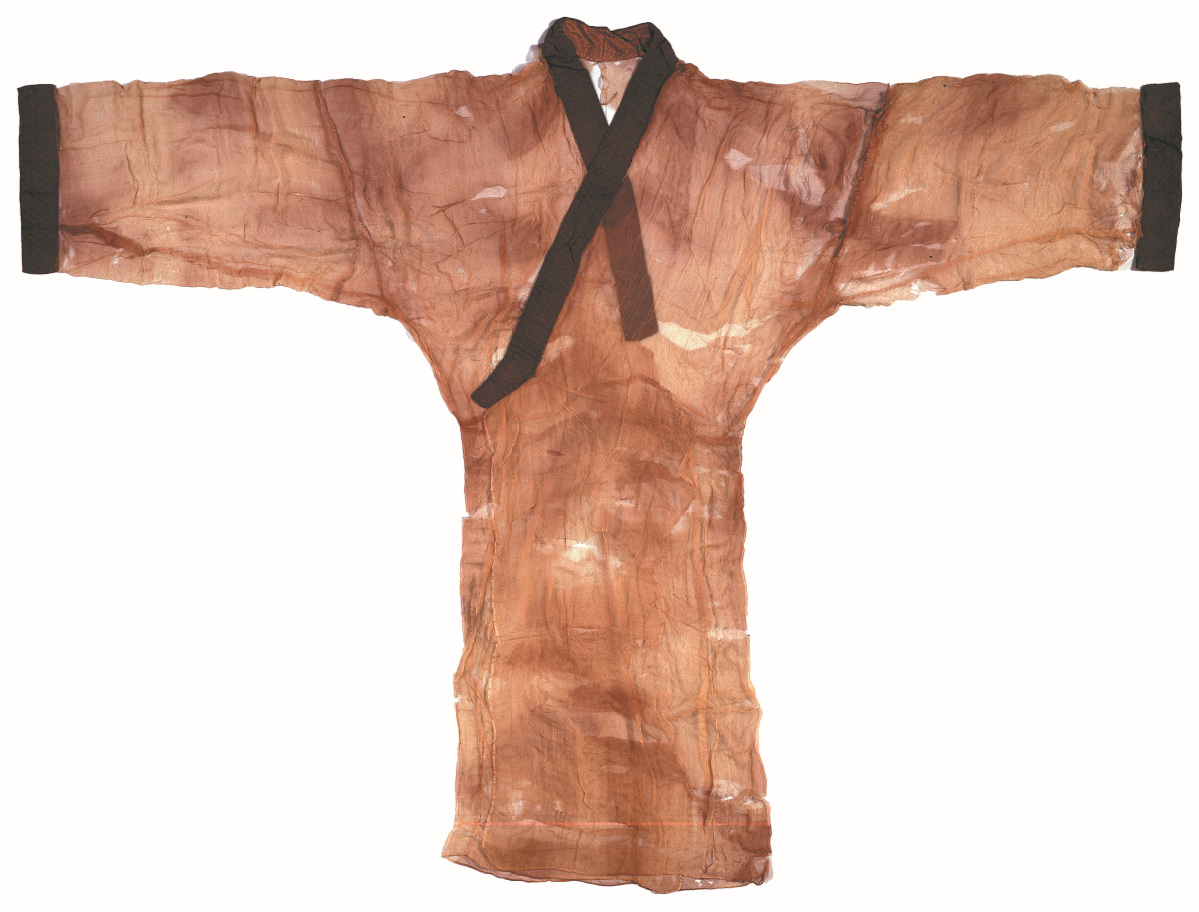
The Mawangdui Han Tombs are renowned for the extraordinary preservation of the artifacts and the well-preserved body of Xin Zhui, the wife of the Marquis of Dai, found in Tomb No 1. The discovery of Xin Zhui's body, which was so well-preserved that medical examinations could be performed, attracted significant attention from both domestic and international scholars. The artifacts unearthed from the tombs include silk manuscripts, lacquerware, musical instruments and a remarkable T-shaped silk funeral banner, providing insights into the funerary practices and cosmological beliefs of the time.
Artifacts and Cultural Relics
Among the thousands of artifacts discovered, the silk manuscripts are particularly noteworthy. These include some of the earliest known texts of Taoist and medical literature, revealing the intellectual and cultural milieu of the period. The lacquerware items, decorated with intricate designs, reflect the high level of craftsmanship and artistic achievement during the Han Dynasty. Additionally, the musical instruments and wooden figurines found in the tombs demonstrate the cultural and social practices of the era.
Preservation and Protection Efforts
The significance of the Mawangdui Han Tombs has led to extensive archaeological and preservation efforts. The Hunan Provincial Institute of Cultural Relics and Archaeology has been instrumental in promoting interdisciplinary research and international collaboration to enhance the understanding and conservation of these cultural relics. The establishment of the Hunan Archaeological Base aims to further explore the origins of Chinese civilization and to develop a world-class archaeological work organization.
Digital and Cultural Initiatives
In recent years, there has been a concerted effort to utilize digital technology to promote the cultural heritage of the Mawangdui Han Tombs. The Hunan Museum had launched immersive digital exhibitions which used advanced technologies like naked-eye 3D and holographic projections to offer visitors an engaging experience. These digital endeavors help transcend the limitations of time and space, making the rich heritage of the Mawangdui tombs accessible to a global audience.
Educational and Cultural Impact
The Hunan Museum has also initiated several educational programs and published numerous volumes of research on the Mawangdui Han Tombs to enhance public understanding of their historical and cultural significance. The introduction of cultural and creative products, such as replicas of artifacts and themed merchandise, serves to further disseminate knowledge and appreciation of this important archaeological site. Article reference1. Video: Technology offers journey into ancient world. chinadaily.com.cn. 20242. Hunan Museum’s Mawangdui IP sets new trends. chinaservicesinfo.com. 20243. Immersive exhibition in Hunan delves into Mawangdui Han Dynasty culture. chinaservicesinfo.com. 2024Photo Gallery(9 pictures)CategoriesCultural HeritageTagArchaeological DiscoveryCatalogue1. Overview2. Archaeological Significance3. Artifacts and Cultural Relics4. Preservation and Protection Efforts5. Digital and Cultural Initiatives6. Educational and Cultural Impact- - - []








